The Sea by John Banville
Last updated:
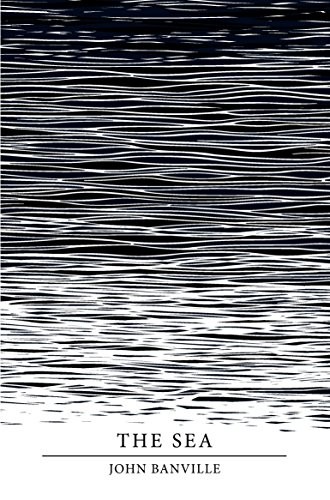
- Published
- 2005 (Picador)
- Length
- About 200 pages
- Prize
- Booker Prize 2005
- Narrator
- Max Morden, a retired art historian
- Setting
- Ballyless, a seaside village on the Irish coast, now and in the 1950s
- Film
- 2013, with Ciarán Hinds and Charlotte Rampling
If there's only one John Banville novel you've heard of, it's likely this one. The Sea won the Booker Prize in 2005 and it's still the book most people begin with. It's brief, it's sad, and it's the sort of novel where you keep pausing to reread a sentence simply because it's that good.
What is The Sea about?
Max Morden's wife, Anna, has just died of cancer. He doesn't know what else to do, so he goes back to Ballyless, a small seaside village where he spent a summer as a boy. He takes a room at the Cedars, a house that used to be rented out to holidaymakers and is now a sort of guesthouse run by Miss Vavasour. The only other lodger is a retired army man called the Colonel, who seems a bit sweet on her.
That’s just about all that happens in the present. What really matters is what’s going on in Max’s head. He sits there drinking too much, getting nowhere with his book on the painter Bonnard, and his mind keeps drifting back to two things: Anna’s last months, and that summer in his childhood when he met the Grace family.
The main characters
- Max Morden tells the story. He's clever, grieving, full of self-pity, and often rather funny about it. He grew up poor and never quite shook off the feeling of being an outsider.
- Anna is Max's wife. Her illness and death come to us in flashback, and they're some of the hardest pages in the book.
- Claire is their grown-up daughter, who worries about her dad and isn't sure what he's doing in Ballyless.
- That summer, The Graces rented the Cedars. Carlo, the father, and Connie, the mother, who young Max is half in love with. Then the twins, Chloe, wild and bossy, and Myles, who doesn't speak.
- Rose is the twins' governess, a young woman who is always somewhere in the background.
- Miss Vavasour and the Colonel live at the Cedars in the present day.
A spoiler-free summary
It reads like a diary, and it never stays in one place. One page Max is in the hospital with Anna, the next he's a boy again, staring at Mrs Grace on the beach, then he's back at the Cedars arguing with the Colonel about the radio. It sounds confusing. It isn't really, once you find the rhythm.
Bit by bit, you grasp that something awful took place as that summer with the Graces ended, and Max has been edging round it ever since. What keeps you reading is discovering what it was, and why he's returned. Banville saves a couple of surprises for the closing pages, and they hit home.
The ending explained (spoilers!)
At the end of the summer, Chloe and Myles walk into the sea together and drown. Max was on the beach that day, and he's spent the rest of his life not quite looking at it. No one's ever been entirely sure why they did it. Part of it seems to be the tangle of adult secrets around them, including Rose's feelings for Mrs Grace, which Chloe and Max had found out about.
The other twist is that Miss Vavasour, who runs the Cedars, is Rose, the old governess. She recognised Max all along. In the final pages, Max remembers the day Anna died and a nurse telling him to come back in because she was gone, and the book closes on the thought that it was like walking into the sea. It’s a quiet ending, and a crushing one.
Themes worth noticing
Memory
Max keeps owning up to the fact that his memory can't be relied on. He alters details, muddles things, makes stuff up. The novel is just as concerned with the way we remember as with the events themselves.
Grief
Anna's death doesn't read as a weepy tragedy. Max comes over as angry, awkward, embarrassed, sometimes cruel. Anyone who has cared for someone dying will probably recognise alot of it.
Class
Money and confidence, that’s what the Graces have. Max’s family rented a chalet up the road. A lot of his childhood obsession with them comes down to wanting to be them.
Art and looking
Max is an art historian, and he describes everything as if it were a painting. The light, colours, how bodies sit in space. Bonnard runs all through the book, and it helps to look up a few of his bathroom paintings of his wife, Marthe.
The Booker Prize win
The Sea saw off books by Kazuo Ishiguro, Julian Barnes, Zadie Smith, Ali Smith and Sebastian Barry. It was a tight race. The judges split right down the middle between Banville and Ishiguro's Never Let Me Go, leaving the chair to cast the deciding vote. Some critics grumbled that it was too "literary". Banville, who's never been one for false modesty, was glad a work of art had won. You can read more on our awards page.
The Sea film (2013)
Stephen Brown directed a 2013 film version, with Ciarán Hinds as Max and Charlotte Rampling as Miss Vavasour. Banville wrote the screenplay himself. It's quiet and well acted, though a great deal of what makes the book special is the voice in Max's head, and that's very hard to capture on film. Read the book first.
Is The Sea worth reading?
Yes, but go in with your eyes open. There's barely any plot, and a great deal of lovely, fairly melancholic prose. If you like Ishiguro, Sebald or Proust, you'll likely adore it. If you're after a page-turner, begin with the Quirke novels and return to this one later. It'll still be here.
Questions people ask
When is The Sea set?
The contemporary strand unfolds close to when the novel was composed, with Max now in his sixties. The remembered summer of his childhood sits roughly half a century before, placing it in the 1950s. You may come across references to "the 1940s", but Banville never quite commits to a precise date.
How long is The Sea?
Roughly 200 pages, depending on the edition. You could read it in a weekend, though it's better taken slowly.
Is Ballyless a real place?
No, it’s invented, though it does feel rather like those small resorts along the Wexford coast where Banville spent his childhood summers.
Want more like this? Try The Untouchable next, or see all his books in order.