Where to start with John Banville
Last updated:
Banville's written plenty of books, and they're not all equally easy to get into. Pick the wrong one first and you could give up on him, which would be a shame. So here are our picks, sorted by the kind of reader you are. These are just our opinions, of course. Fans argue about this endlesly.
If you want the classic, start here
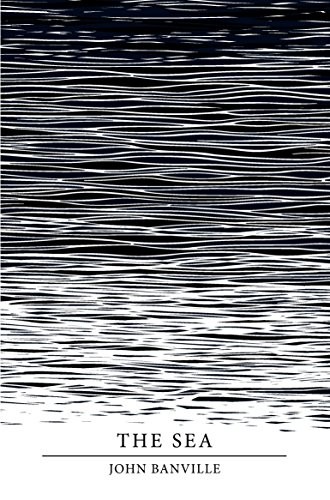
The Sea
The Booker winner, and the most obvious way in. It’s short, so you’re not committing to much, and it gives you a taste of everything he does well: memory, grief, extraordinary sentences. Fair warning, there’s not much plot.
If you like a story with some momentum
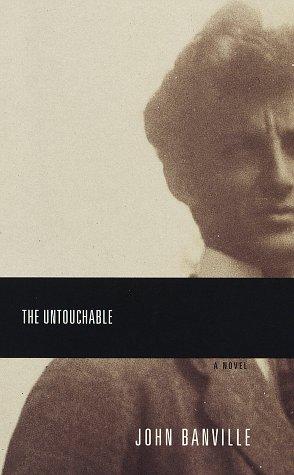
The Untouchable
The one we like best. It's a spy's memoir, packed with wit, betrayal and 1930s Cambridge. Longer than The Sea, but with far more going on, and Victor Maskell is a wonderful monster of a narrator.
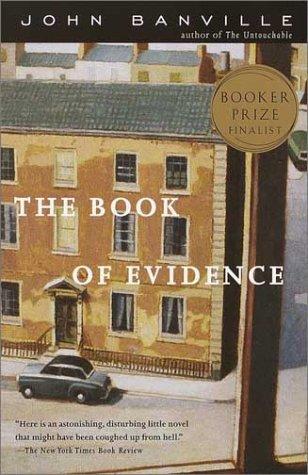
The Book of Evidence
Freddie Montgomery is awful and fascinating, and this is his confession, written from a prison cell as he waits for his trial. It was inspired by a real 1982 Dublin case and was shortlisted for the Booker. It's only about 200 pages, and it really grips.
If you mostly read crime
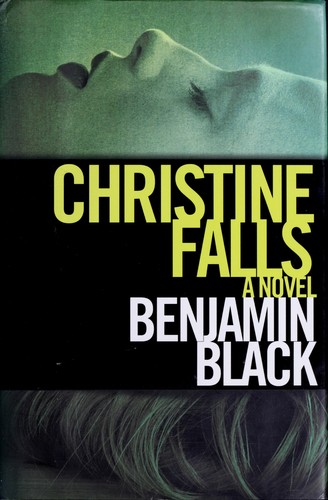
Christine Falls
The first Quirke novel. Atmospheric, sad, and properly gripping. If it hooks you, you've got nine more to go.
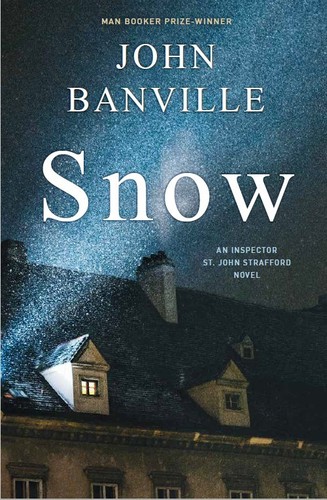
Snow
It's 1957, and a country house is snowed in. A priest has been murdered. The setup is pure Agatha Christie, but the heart is far darker. Perfect for a winter weekend.
If you like history and ideas
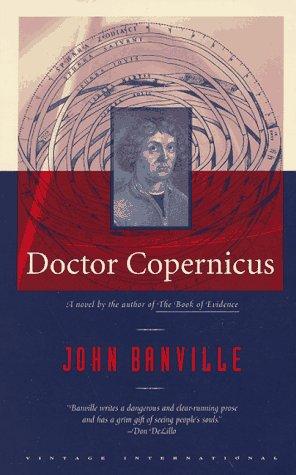
Doctor Copernicus
It’s the book that made his name in the 1970s, a novel about the astronomer who set the Sun at the centre of everything. If you get the bug, carry straight on with Kepler.
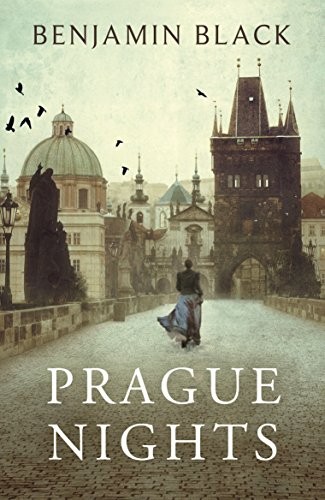
Prague Nights
This murder mystery takes place at the court of Emperor Rudolf II in 1599, and it's brimming with alchemists and astronomers. Compared to the Copernicus books, it's lighter, and it's good fun.
If you want something short
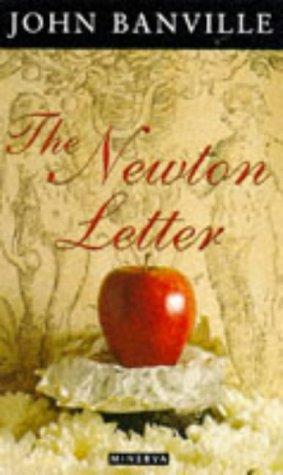
The Newton Letter
It's under 100 pages. A historian who's trying to write about Isaac Newton gets caught up in the family he's renting a cottage from, and he gets every single thing about them wrong. A small, perfect thing.
Not a novel reader?
Give Time Pieces: A Dublin Memoir (2016) a go. It's a gentle stroll around Dublin and back through his own past, full of that same lovely prose, and there's no plot to keep track of.
Maybe save these for later
Not because they're bad, but because they make more sense once you're used to how he writes:
- Ghosts and Athena. The second and third parts of the Frames trilogy. Read The Book of Evidence first.
- The Infinities. It's a family drama told by Hermes, the god himself. Brilliant stuff, though the playfulness might catch newcomers off guard.
- The Singularities. It's packed with little callbacks to earlier books, so you'll get far more enjoyment out of it if you've read them.
- Mrs Osmond. This is a follow-up to Henry James's The Portrait of a Lady. Best read James's novel first, or at least have a grasp of its plot.
Our suggested reading path
- The Sea to see what the fuss is about.
- The Untouchable for the full Banville experience.
- Christine Falls when you want something easier.
- The Book of Evidence, then the rest of the Frames trilogy.
- After that, honestly, just follow your nose through the full list.
Questions people ask
What is John Banville's best book?
Most critics would pick The Sea, The Untouchable or The Book of Evidence. Banville himself claims to dislike all of them, which is perfectly in keeping with him.
Is John Banville hard to read?
The literary novels can be a bit demanding. The vocabulary is rich and there isn't always a lot of plot. Take your time with them and they'll pay off. The crime novels are much easier.
Which John Banville book should I read first?
Christine Falls or Snow if you like crime. The Sea if you want his literary side.